


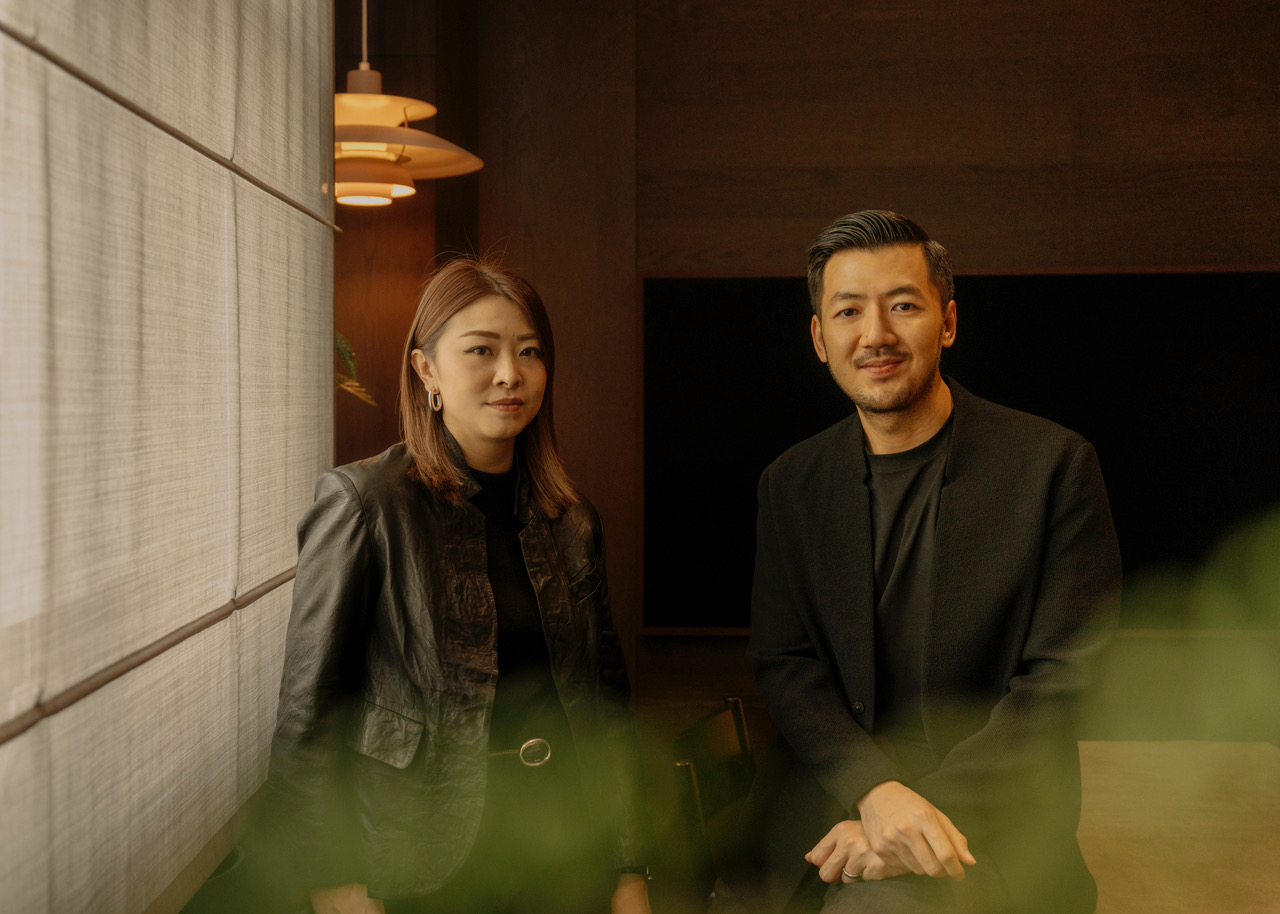
For Singapore-based, multi-disciplinary interior design studio SUJONOHUN, every project is an unfolding journey.
Molina Hun partnered with Sujono Lim in 2015 to establish the firm, and together they have cultivated a distinctive portfolio spanning residential, hospitality, and lifestyle spaces.
The studio embodies a spirit of exploration and a sense of discovery, with a focus on crafting a thoughtful and distinguished experience through the quality of the space, materials, and objects in an immersive interior environment.

How would you describe the studio’s design philosophy?
While our work is shaped by core design principles, the studio remains highly attuned to the pulsating trends of the design industry for today’s most sophisticated, selective projects. By being analytical and observant, we apply a discerning lens to the creative process, creating innovative and responsive design solutions that allow our practice to evolve.

Could you walk us through the material exploration in the Upperhouse Orchard Boulevard project and why that level of craft was important for this specific space?
We approached material exploration as a way to build the space as a whole. Rather than relying on contrast, we worked within a close tonal range, allowing depth to emerge through the layering of timber, stone, leather, and customised finishes.
Refinement was key. From the precise CNC-cut marble feature walls to the custom furniture and calibrated lighting, every element required close coordination with our fabricators. This level of craft was essential for the space to feel resolved and complete—something made possible by having the right collaborators and a budget that allowed us to carry the design through without compromise.

For Cuscaden Reserve, how did you approach designing the space around art?
This approach is not applied to every project. In the case of Cuscaden Reserve, the artworks were introduced early on, which allowed us to respond to them from the outset. We took them as a point of reference, intuitively shaping the material palette around their tone and presence. The use of Rosso Levanto marble, for instance, became a key move—not as a standalone feature, but as a continuation of the depth and richness found in the artwork. Working this way allows the space to build in relation to the piece, rather than accommodating it later.

What is next in the pipeline?
We are currently working on a number of show flat and sales gallery projects, alongside several Good Class Bungalows and high-end residential projects across different stages. We have also started taking on overseas work, including a 12,000-square-foot apartment in Shenzhen and a landed showhouse in Jakarta.
Moving between show flat and residential work keeps the process active. The pace of show flats allows us to explore ideas and materials quickly, while residential projects allow us to carry them through more fully into a home.

Ready to be the next Top 50 and stand out among SEA’s most notable designers?


