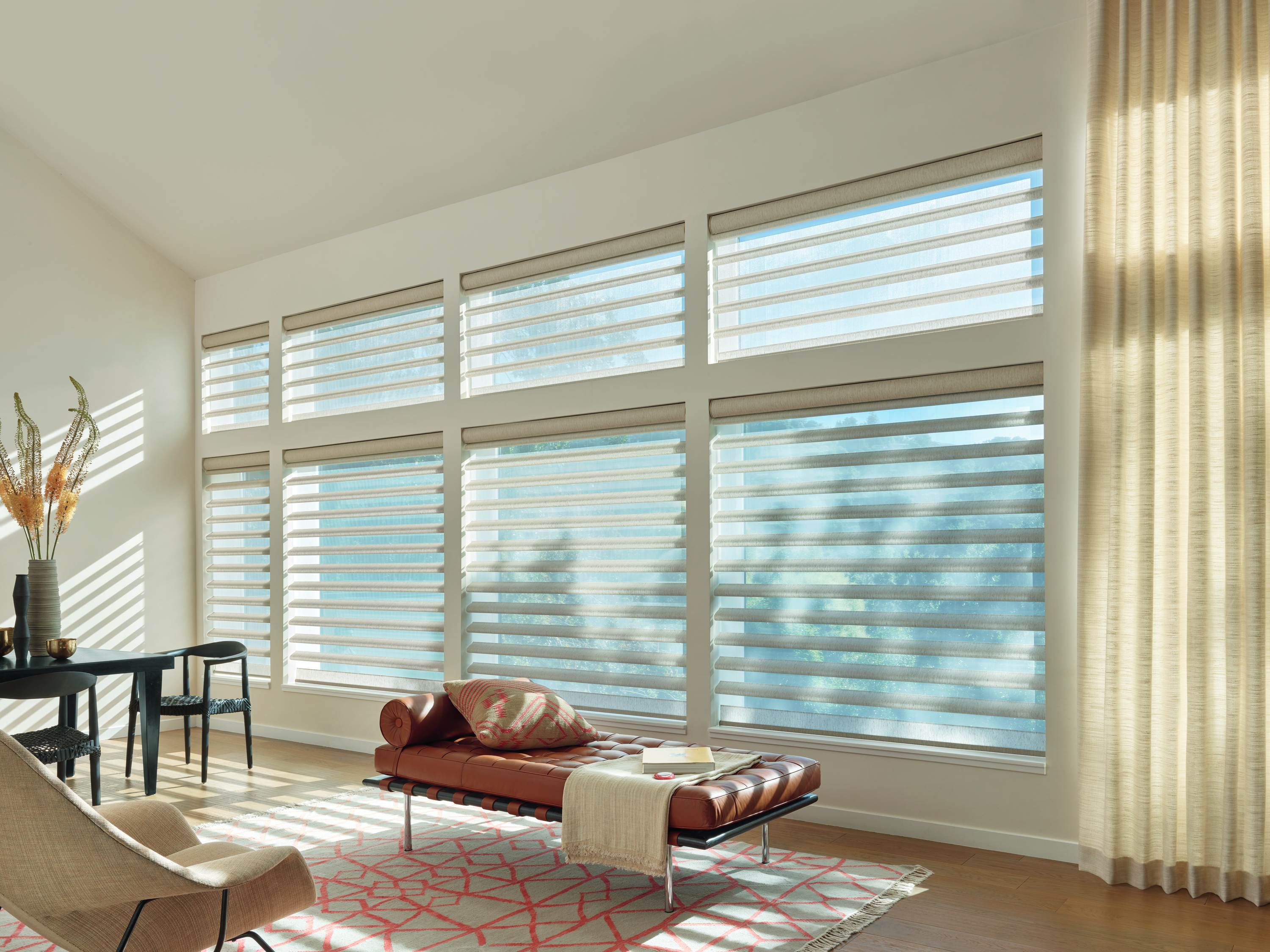
What can you do with the space by your window beyond displaying plants and collecting clutter?
From bespoke cabinets that add storage to inviting reading nooks and relaxing window seats, thoughtful planning can make this corner of your home more useful. The key is to work with the existing dimensions and your daily routines. These five design tips cover storage, materials and safety, offering inspiration for Hong Kong homes.
1. Assess the Existing Space Before Deciding on a Design
Not every window ledge is suitable for seating. Before planning your design, measure its width, depth and height from the floor, along with the clearance needed to open the windows. Check the window frames and surrounding walls for water stains.
If you intend to use the space for sitting or reclining, have an appropriately qualified professional assess its load-bearing capacity first. Do not assume that the ledge can be freely removed or support additional weight, and avoid concealing water seepage behind new joinery.

2. Add Storage with Bespoke Low-Level Cabinets
To increase storage, consider placing low-level cabinets in front of the window ledge or incorporating drawers and cupboards beneath a new seat, rather than assuming the existing ledge can be hollowed out.
Keep frequently used items in easy-to-open drawers, and group less-used belongings in dedicated compartments. The cabinetry should allow for ventilation, moisture management and maintenance access. Check that open doors and drawers will not obstruct walkways.

3. Create a Reading Nook That Balances Comfort, Light and Convenience
Turning a window area into a reading nook takes more than adding a cushion. Test the seat depth, back support and ease of getting on and off before choosing cushions and planning book storage.
If the ledge is unsuitable for seating, place an armchair beside it and use the ledge as a supplementary surface instead. Consider window coverings for light control and the position of a reading lamp, so the nook remains useful beyond daylight hours.

4. Factor Cushion Thickness into Your Lounging Area
Where space and structural support allow, a window-side daybed can offer a place for a short rest or a moment to enjoy the view. Include the cushion thickness when calculating the finished seat height, so the surface does not become too high once upholstered. Removable, washable covers can also make everyday care easier.
If you are incorporating lift-up storage, consider whether accessing it will require removing the entire cushion each time. Extra capacity should not come at the expense of convenience.

5. Choose Materials and Safety Measures with Practical Needs in Mind
Select surface materials according to sun exposure, moisture levels and your cleaning routine, paying equal attention to joints and edge detailing. Cabinetry should not obstruct curtains, window handles or access points for air-conditioner maintenance.
In homes with young children, a new window seat may also become a climbing platform. Review window guards and locking arrangements as part of the design process, rather than relying solely on reminders to stay away from the window.

Free Quotes | Find Your Designer | Design Projects: asiadesigners.com
Photos: Pexels