


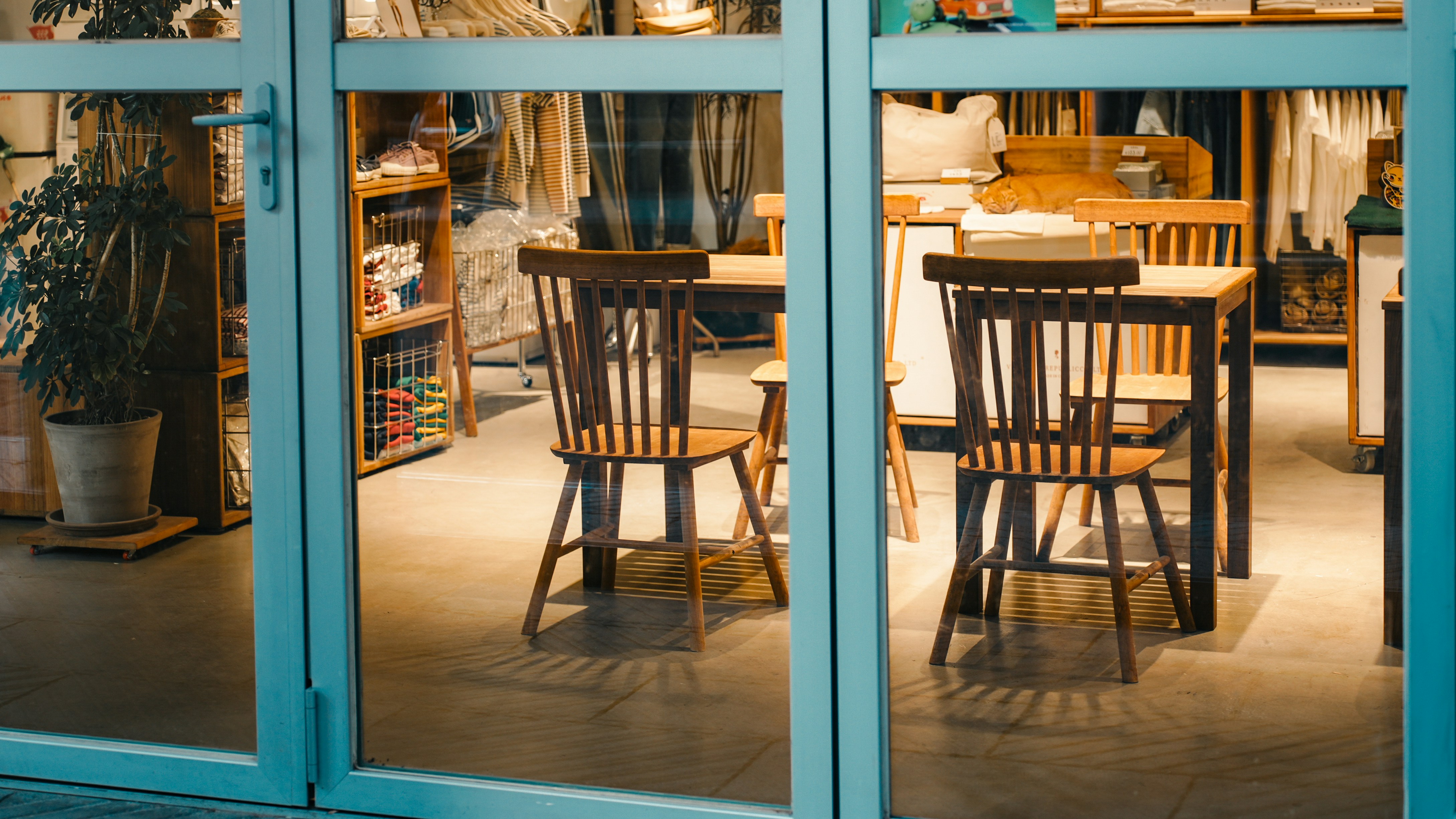
As sustainability becomes an increasingly important part of modern living, the idea of “luxury” is being quietly redefined.
In a fast-paced, space-limited city like Hong Kong, choosing second-hand or antique furniture is no longer just an eco-conscious decision. It signals a more thoughtful way of living—one that appreciates craftsmanship, character, and the stories behind each piece.
There are now more ways than ever to source these items locally. In addition to well-known platforms such as Carousell and Facebook resale groups, neighbourhoods like Sai Ying Pun and Sham Shui Po are home to a growing number of carefully curated vintage furniture shops. Auction houses and designer consignment spaces also offer the occasional standout find, particularly for those drawn to iconic or collectible designs. Given the compact scale of most Hong Kong homes, taking accurate measurements beforehand is essential to ensure a good fit.
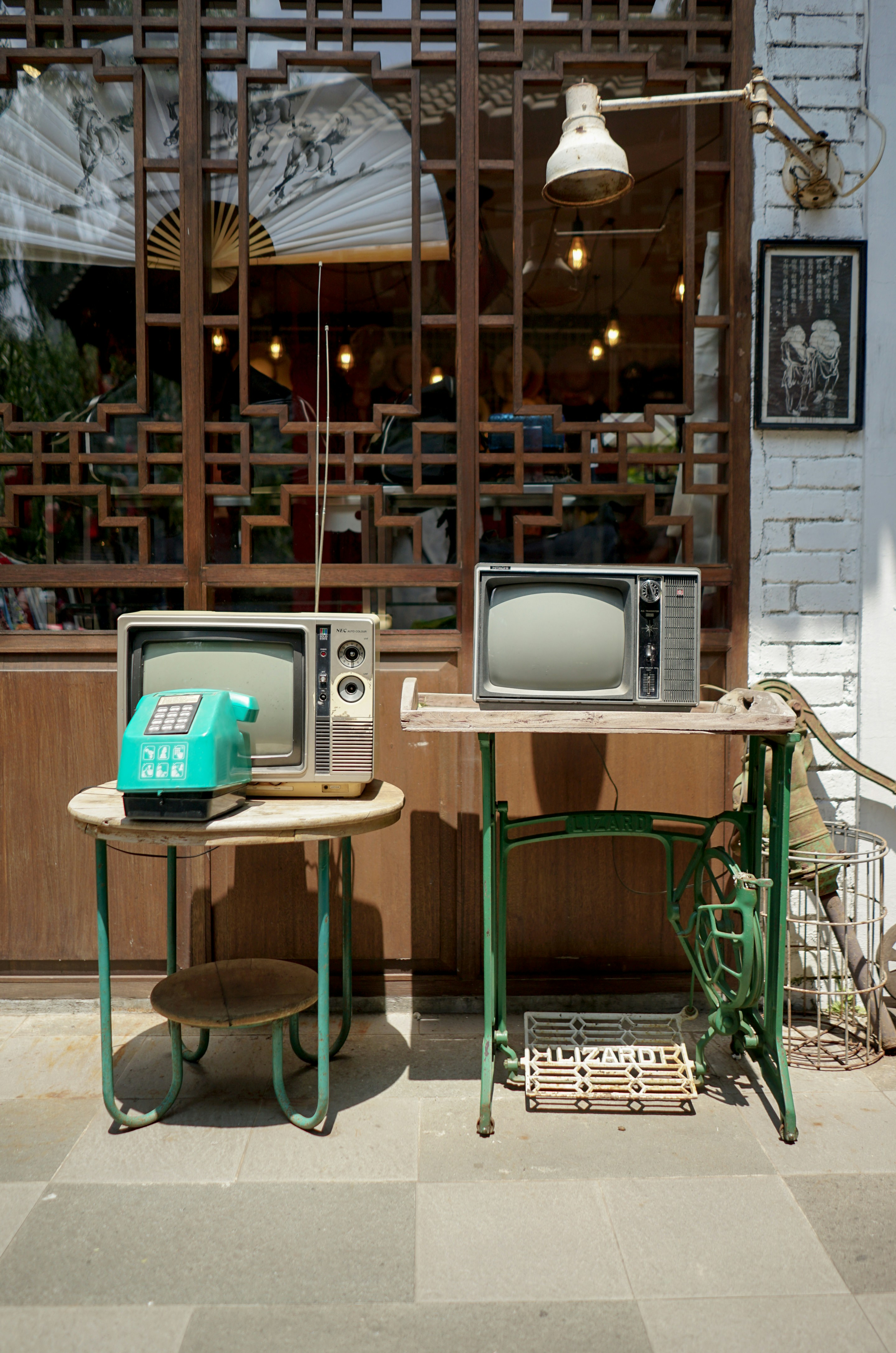
When selecting a piece, looks alone aren’t enough. Start by checking its structural condition—chairs should feel sturdy, and drawers should slide easily. Material is another key factor: solid woods such as teak and walnut tend to be more durable and lend themselves well to restoration. It’s also important to factor in potential repair costs, especially if there are visible cracks or signs of infestation. Simple checks, such as gently testing stability or inspecting less visible areas, can offer valuable insight into overall condition.
For restoration, Hong Kong has no shortage of skilled craftsmen who specialise in wood refinishing, repairs, and upholstery work. The level of intervention should depend on how the piece will be used. Design classics and collectible items are best preserved with minimal alteration, while pieces intended for daily use can be updated with more hard-wearing finishes or fabrics. When thoughtfully incorporated, vintage furniture can sit comfortably within contemporary interiors—serving, for instance, as a striking focal point in an otherwise modern space.
Logistics and maintenance also deserve attention. With varying building layouts and lift sizes across the city, it’s important to confirm access before making a purchase. To keep furniture in good condition, wooden pieces should be protected from humidity and direct sunlight, with occasional oiling to maintain their finish. Upholstered items are best paired with removable or stain-resistant covers for easier upkeep.
What sets pre-owned and antique furniture apart is the sense of depth they bring to a space. Signs of wear are not imperfections but part of their charm, adding individuality and warmth. With a careful eye and considered restoration, these pieces can help shape a home that feels both distinctive and consciously designed.


