


In Hong Kong’s compact living environment where every inch counts, “custom-made furniture” has become an essential part of almost every home renovation.
It maximizes every bit of space, but facing the wide variety of materials and quotes on the market, many homeowners find themselves struggling: how exactly should one balance precise dimensions, reasonable pricing, and long-term durability? Here are 5 common FAQs about custom furniture to help you spend your budget wisely.
1. Size Myth: Must Custom Furniture Be “Floor-to-Ceiling”? To maximize storage, should all cabinets extend all the way to the ceiling?
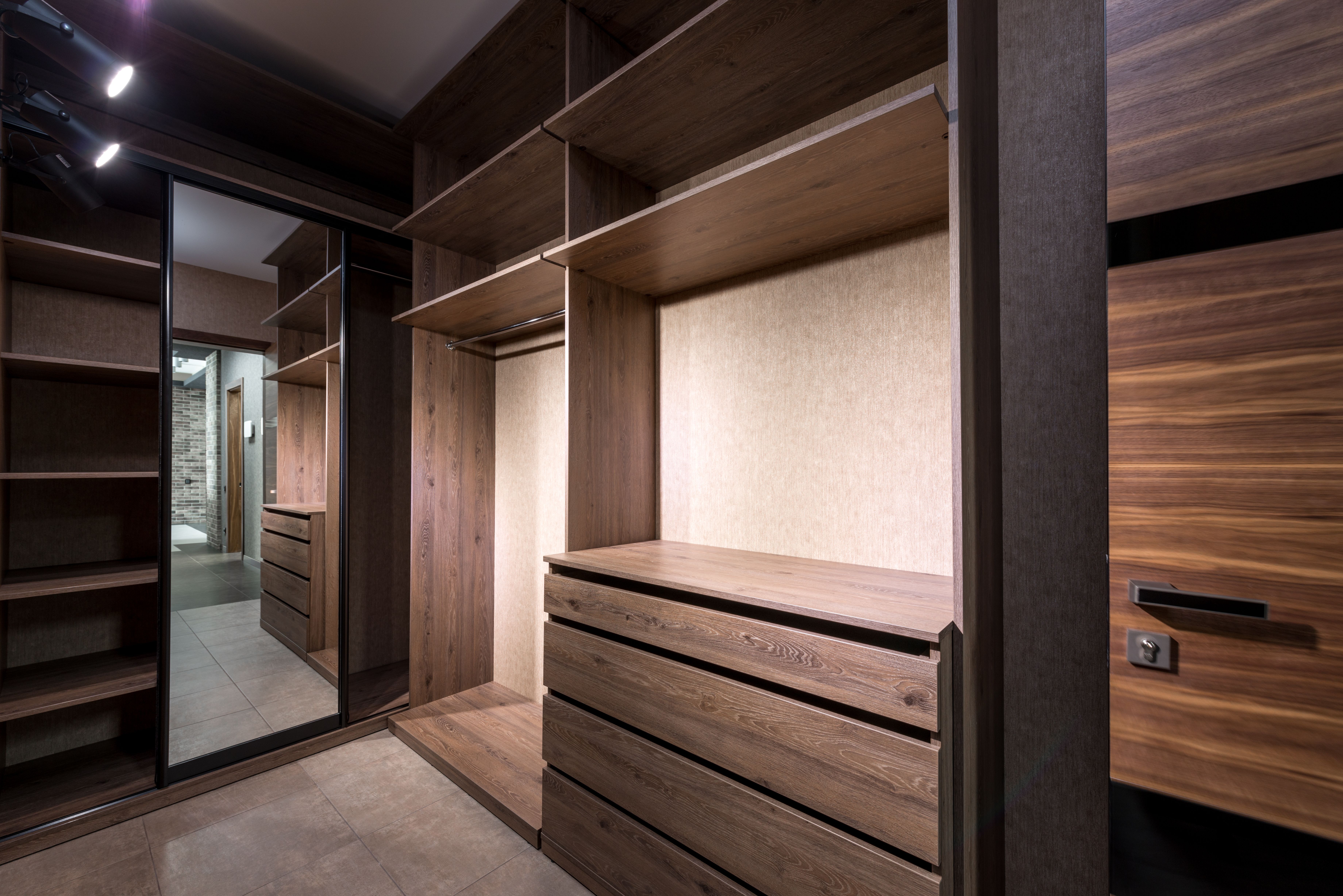
A: Not necessarily. While floor-to-ceiling high cabinets maximize storage space, having high cabinets throughout the entire home can create a severe sense of visual oppression in small spaces. In entryways or living rooms, consider designing cabinets to “eight-tenths height” or adopting hollow/bottom-suspended designs; reserve floor-to-ceiling designs for wardrobes in corridors or bedrooms. This ensures sufficient storage dimensions while allowing the space to retain a sense of breathing room.
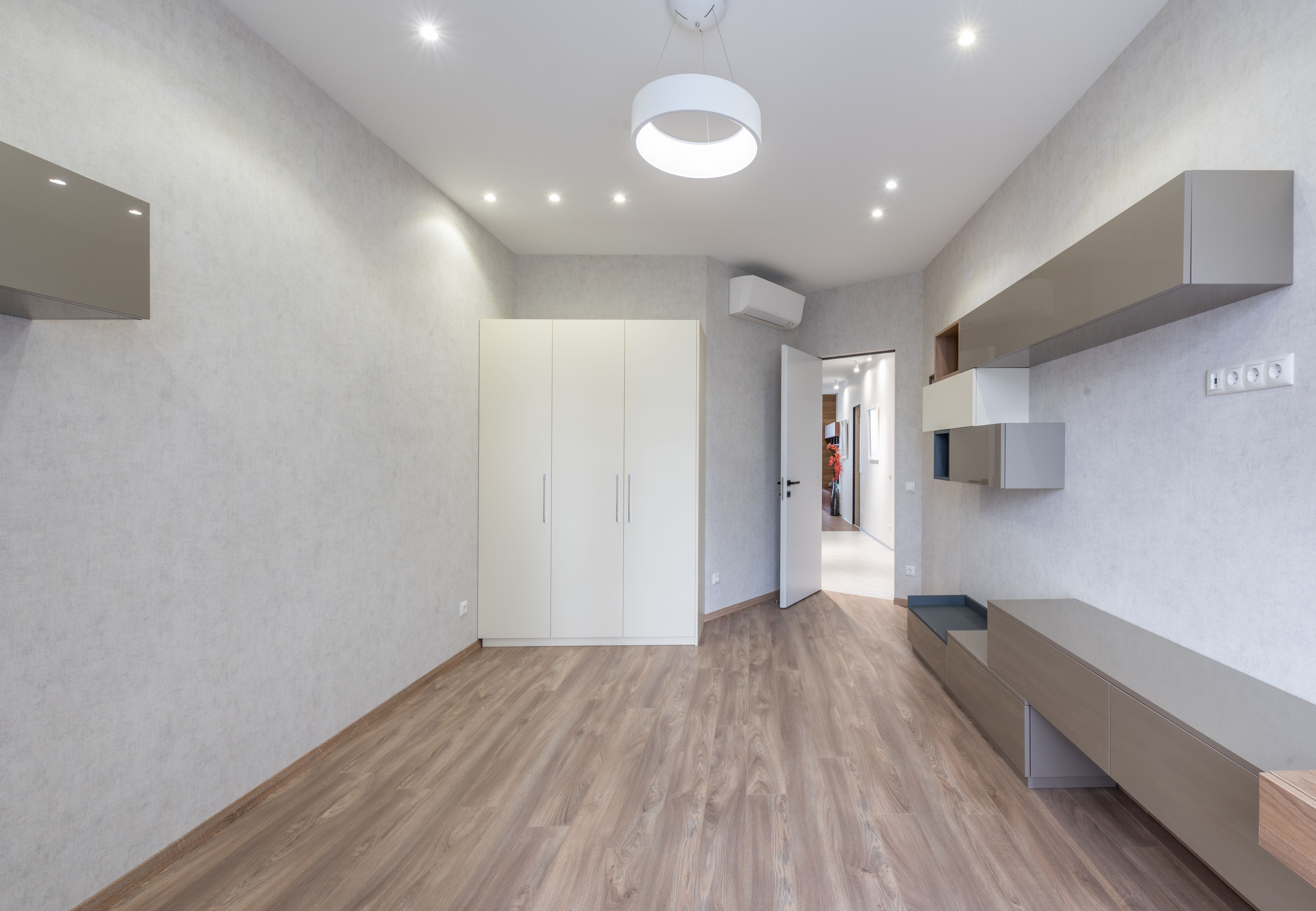
2. Price Decoded: Why Do Quotes from Different Companies Vary So Widely? For wardrobes of the same size, why can quotes from different renovation companies differ by nearly double?
A: The price difference mainly comes from the choice of “boards” and “finishes.” Lower-priced options are mostly “particle board (MDF),” while more expensive ones are “plywood (fine-core board)” or solid wood. If budget is limited, there’s no need to use premium boards throughout the entire home. Kitchen and bathroom cabinets, which are prone to moisture, must use moisture-resistant plywood to ensure durability; while living room TV cabinets or bookcases that remain dry long-term can consider more cost-effective high-quality fiberboard.
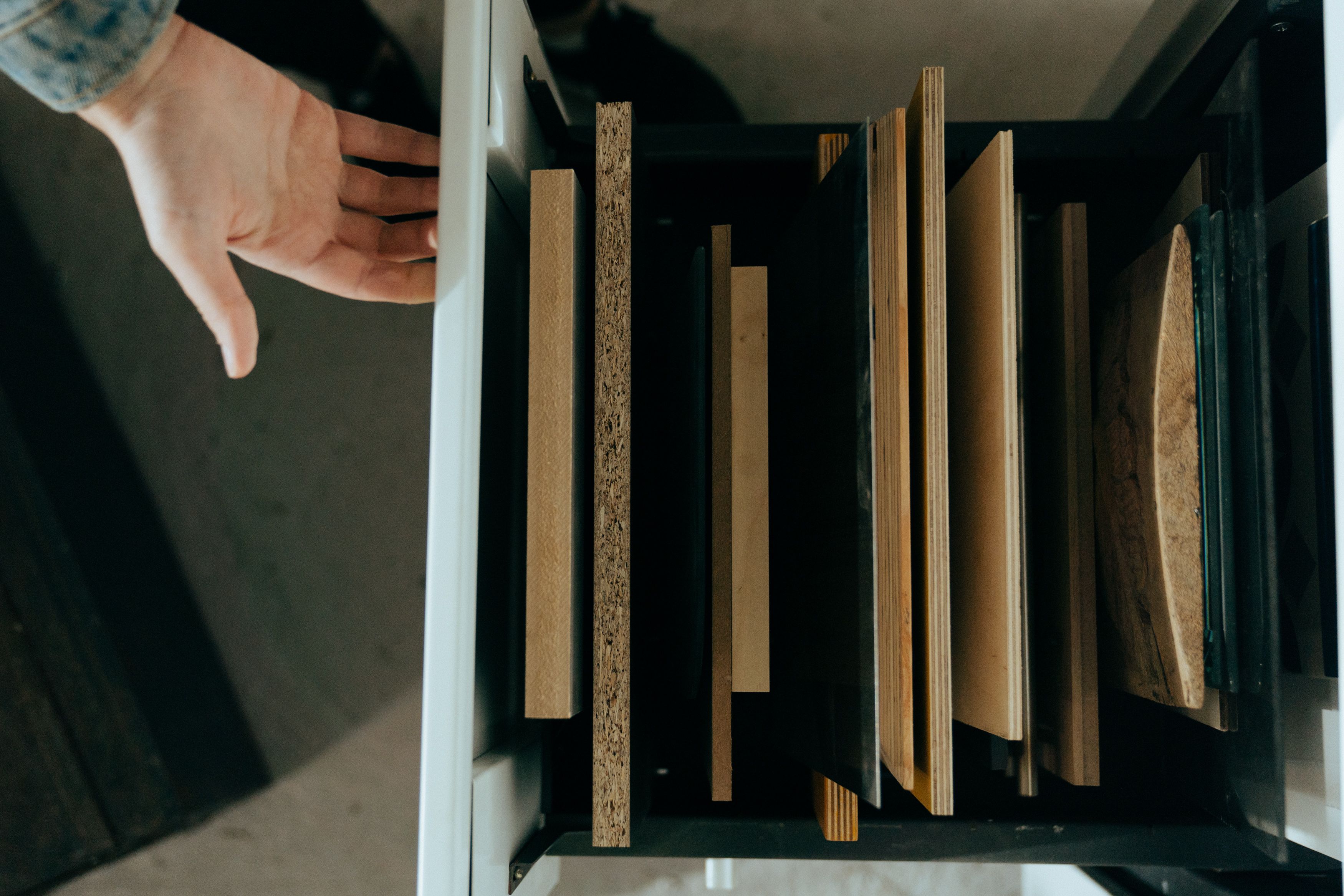
3. Durability Key: How to Control Budget While Ensuring Furniture Lasts Ten Years? To make furniture durable, must I only buy the most expensive boards?
A: What determines furniture lifespan is often not the wood itself, but the hardware accessories. Aging hinges and deformed tracks are the most common reasons cabinets become unusable. In budget allocation, it’s better to choose mid-range boards and invest the money saved in premium hardware accessories (such as soft-close hinges, hidden silent tracks). This is the most cost-effective investment for enhancing furniture durability and daily user experience.
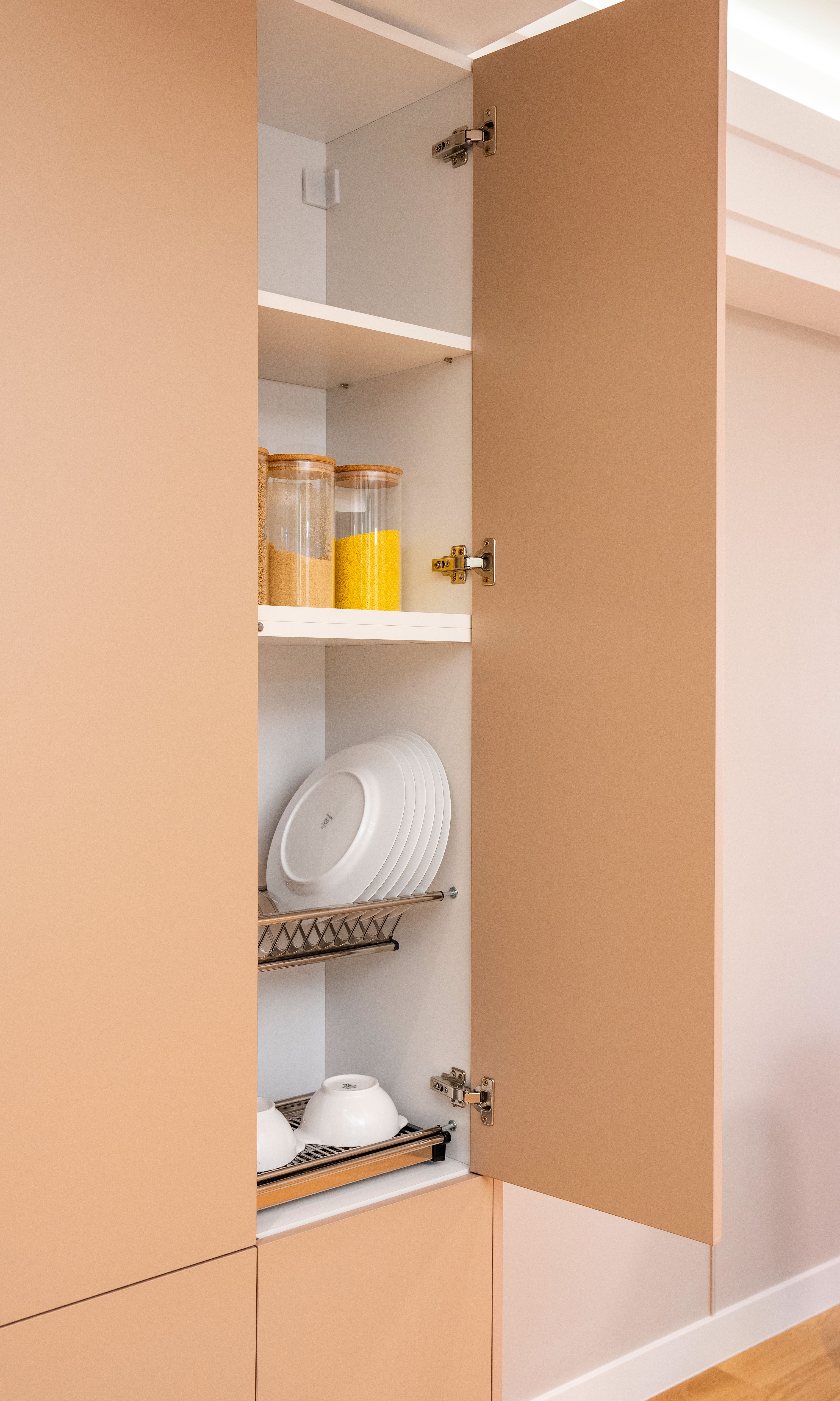
4. Planning Trade-offs: Full-House Custom vs. Ready-Made Furniture, Which is More Cost-Effective? For size uniformity, should all furniture in the home be custom-made?
A: Full-house custom furniture is expensive and lacks flexibility. Furniture that is fixed and needs to fit space dimensions precisely (such as wardrobes, kitchen cabinets, window beds) should be custom-made to maximize three-dimensional space; while mobile furniture (such as sofas, dining chairs, coffee tables) is recommended to be purchased as ready-made products. This not only significantly reduces overall costs but also makes it easier to change home styles in the future.
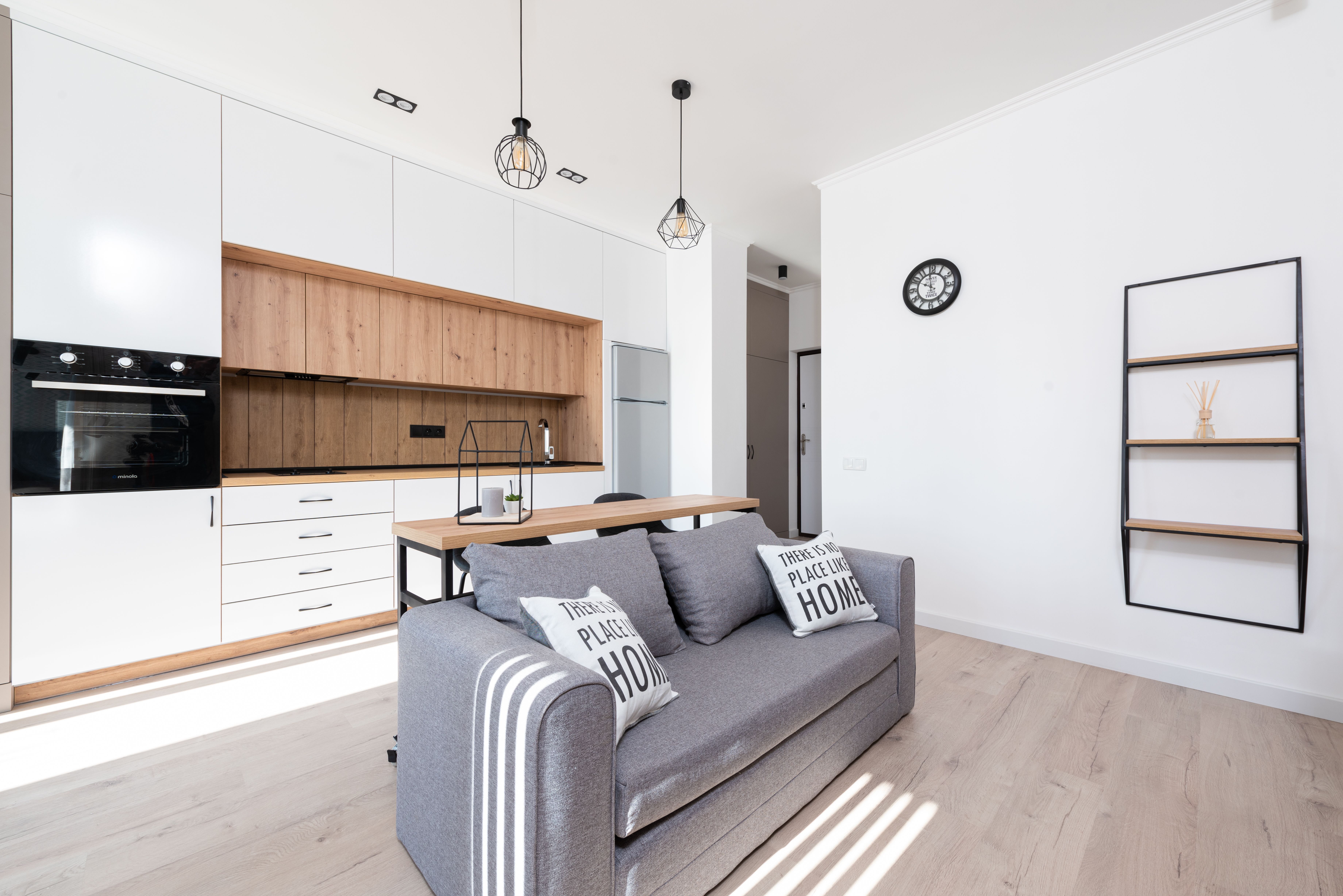
5. Long-Term Consideration: With Fixed Custom Furniture Dimensions, Is It Difficult to Make Changes Later? If family members increase or needs change in the future, will custom furniture become an obstacle?
A: Custom furniture is indeed difficult to move, but internal dimensions can remain flexible. Balancing Suggestion: When designing wardrobes or storage cabinets, minimize fixed cross-dividers and request manufacturers to drill more “system holes (adjustable shelf holes)” instead. This way, you can freely adjust shelf heights later based on the size of items, giving fixed-size furniture the flexible durability to adapt to the future.
Free Quotes | Find Your Designer | Design Projects: asiadesigners.com
Photos: Pexels


