


Among the many interior design styles, minimalism has long been one of the most popular choices. But what exactly defines a minimalist style? What are its five key design features? This article breaks it all down for you.
At its core, minimalist design embraces the “less is more” philosophy, striking a perfect balance between simplicity, functionality, and aesthetics. Whether it’s a compact apartment or a spacious villa, minimalism infuses the space with a sense of calm and clarity. In this article, we’ll explore the definition, features, and design principles of minimalism, along with tips on how to bring this refined style into your home—creating a space that’s both practical and beautifully serene.
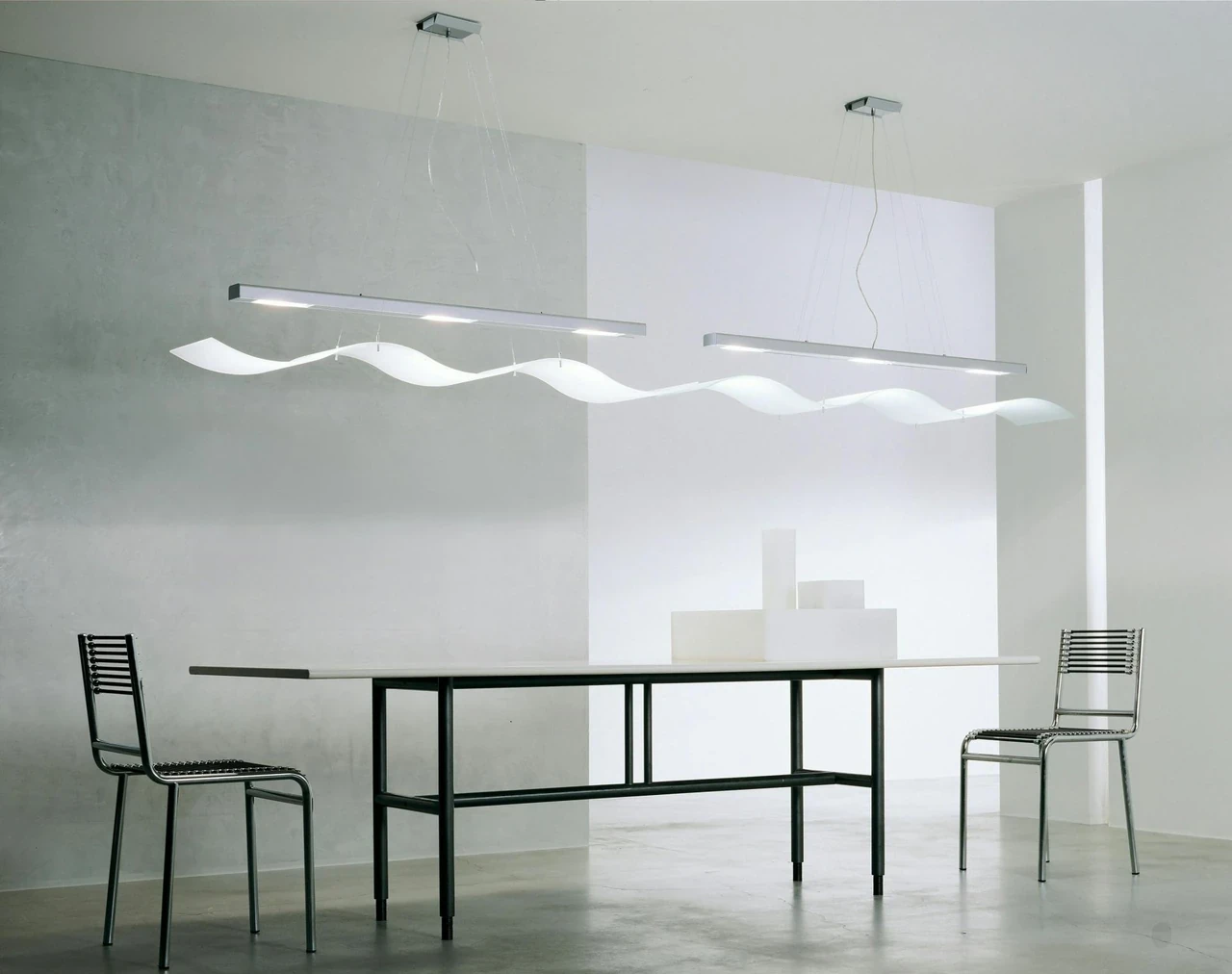
What Is Minimalism?
Minimalism emerged in the mid-20th century as part of the modernist movement, influenced by Japanese Zen philosophy and Scandinavian design. The style values clean lines, simplicity, and open space, eliminating unnecessary ornamentation in favor of functionality. But minimalism is more than just a visual aesthetic—it’s a lifestyle that encourages us to focus on what truly matters and to let go of excess clutter.
Five Key Features of Minimalist Design
-
Neutral Color Palette
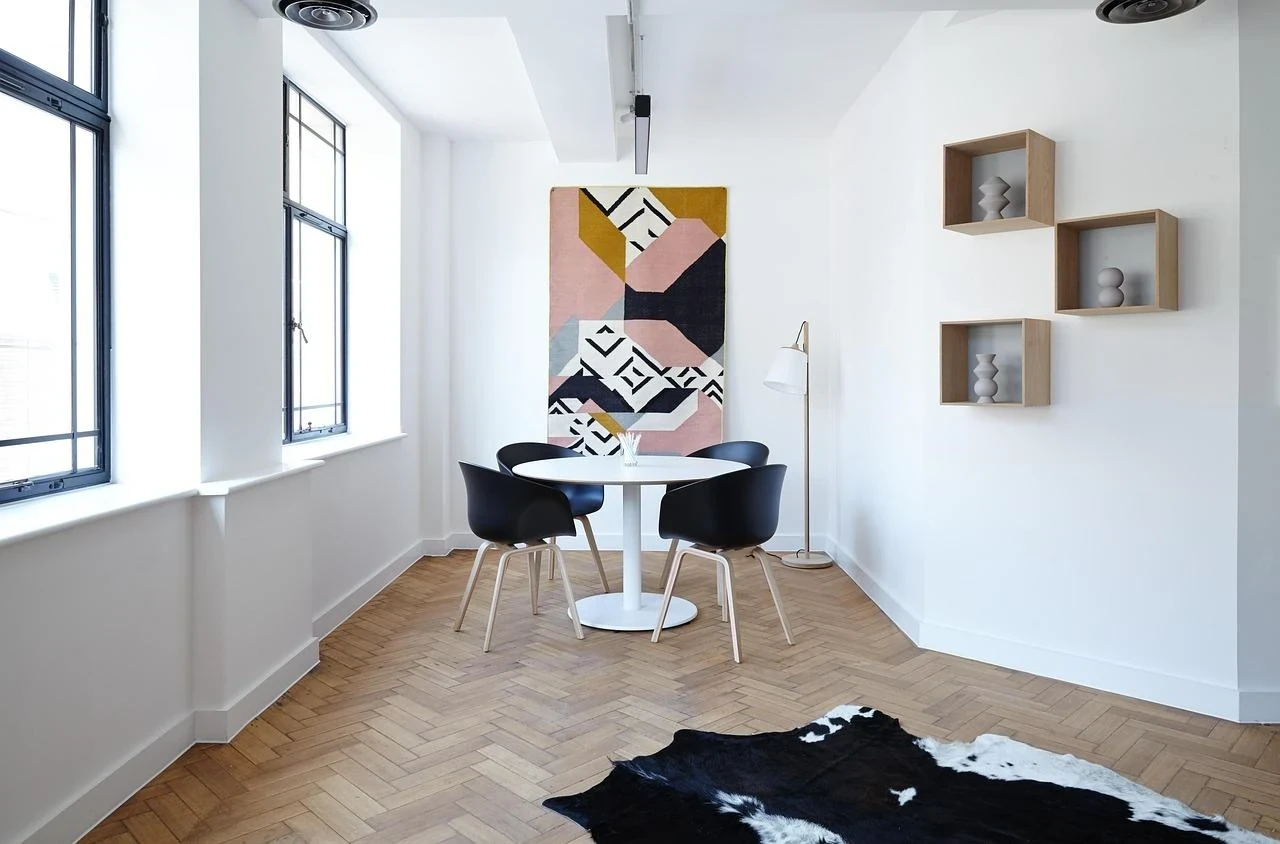
Minimalist interiors typically use neutral tones—white, gray, black, and beige—to create a calm, spacious atmosphere. Touches of natural wood or a single accent color (such as deep blue or forest green) can add warmth, while maintaining a composed and harmonious look.
2. Clean Lines and Geometric Forms
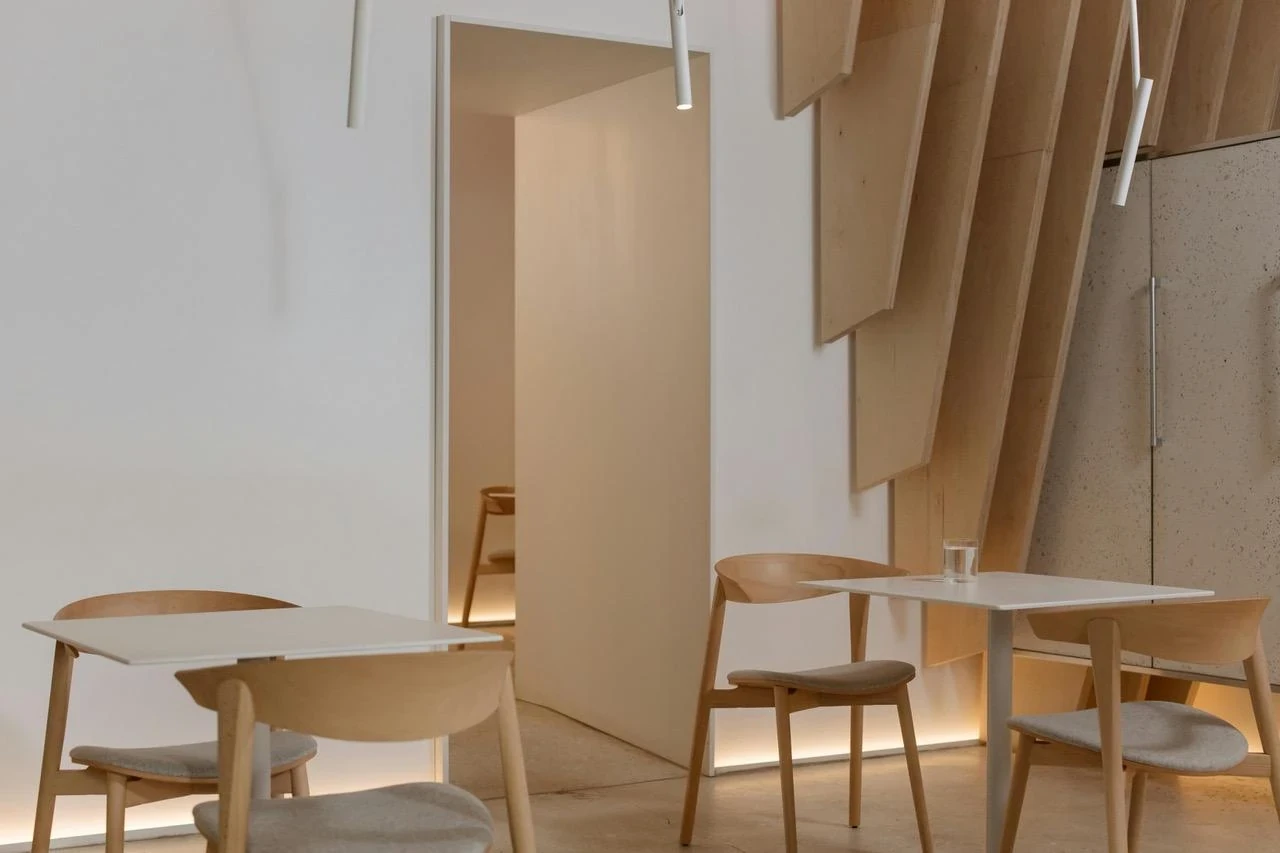
The style favors straight lines and simple geometric shapes, steering clear of ornate curves or elaborate details. Furniture pieces often feature crisp silhouettes—a square dining table, low-profile sofa, or sleek lighting—to foster a tidy and orderly environment.
3. Open-Plan Spaces
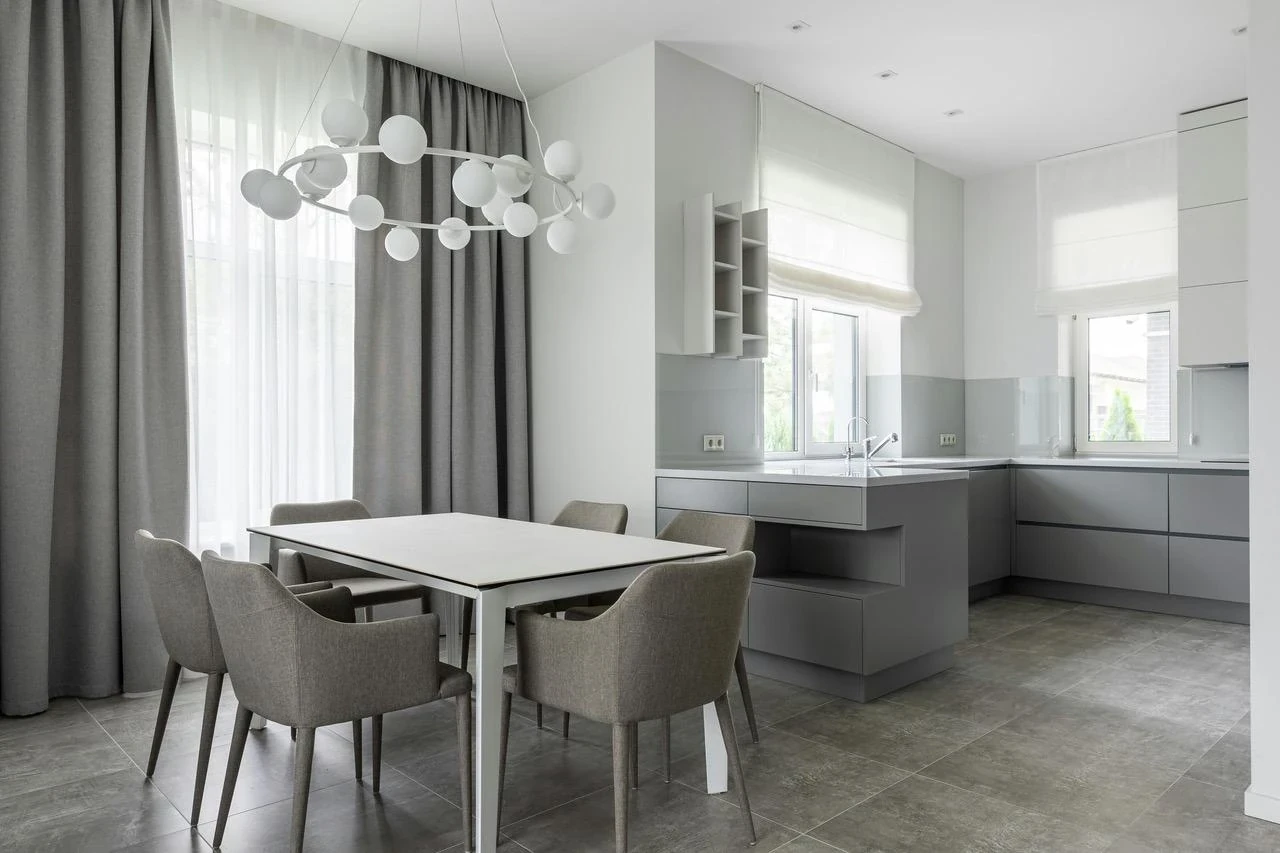
Minimalism emphasises openness and flow, often seen in connected living, kitchen, or bedroom areas. By reducing partitions, the space feels more expansive and allows natural light to travel freely, creating a bright and airy home.
4. High-Quality Materials
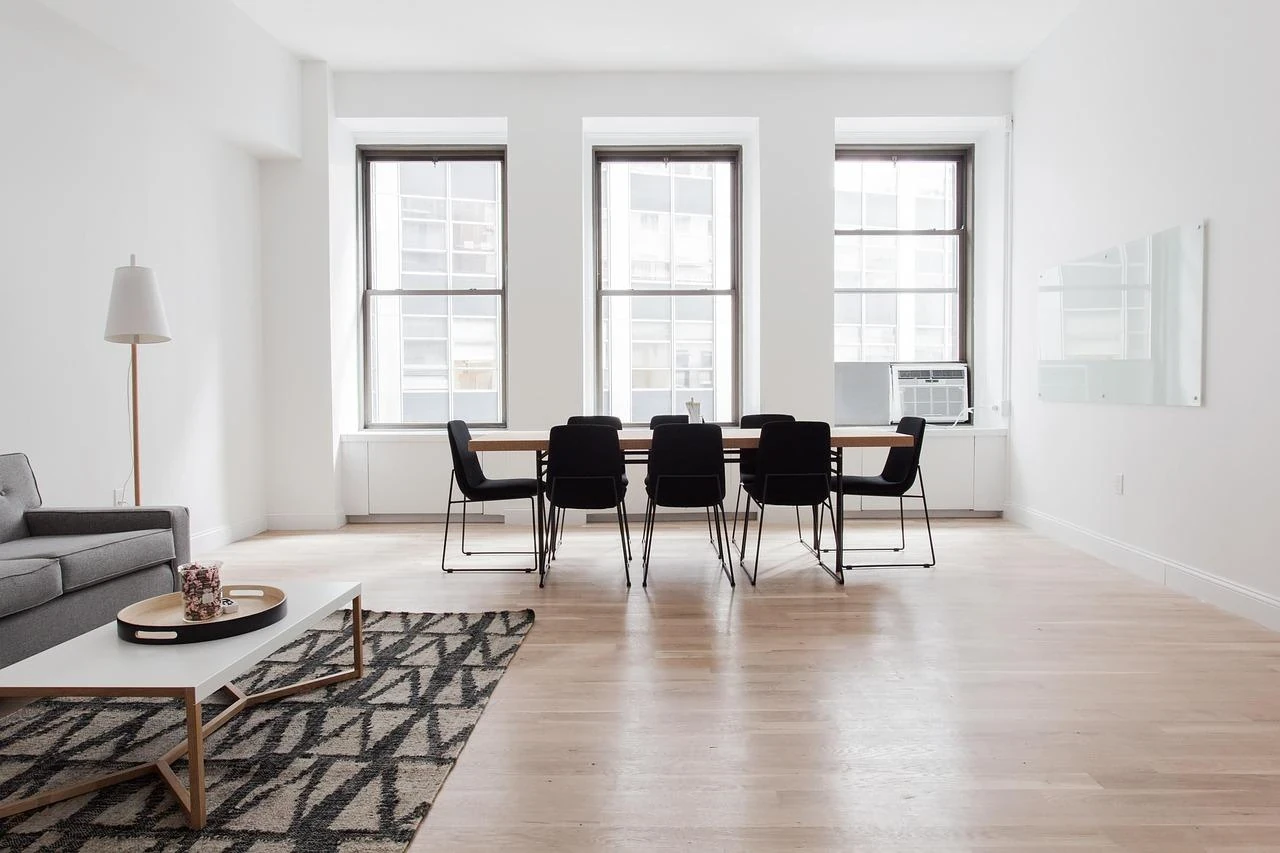 Rather than using many materials, minimalism focuses on quality and texture. Common choices include natural wood, concrete, marble, metal, and glass—materials that are durable yet bring sophistication and modern appeal to the interior.
5. Smart, Hidden Storage
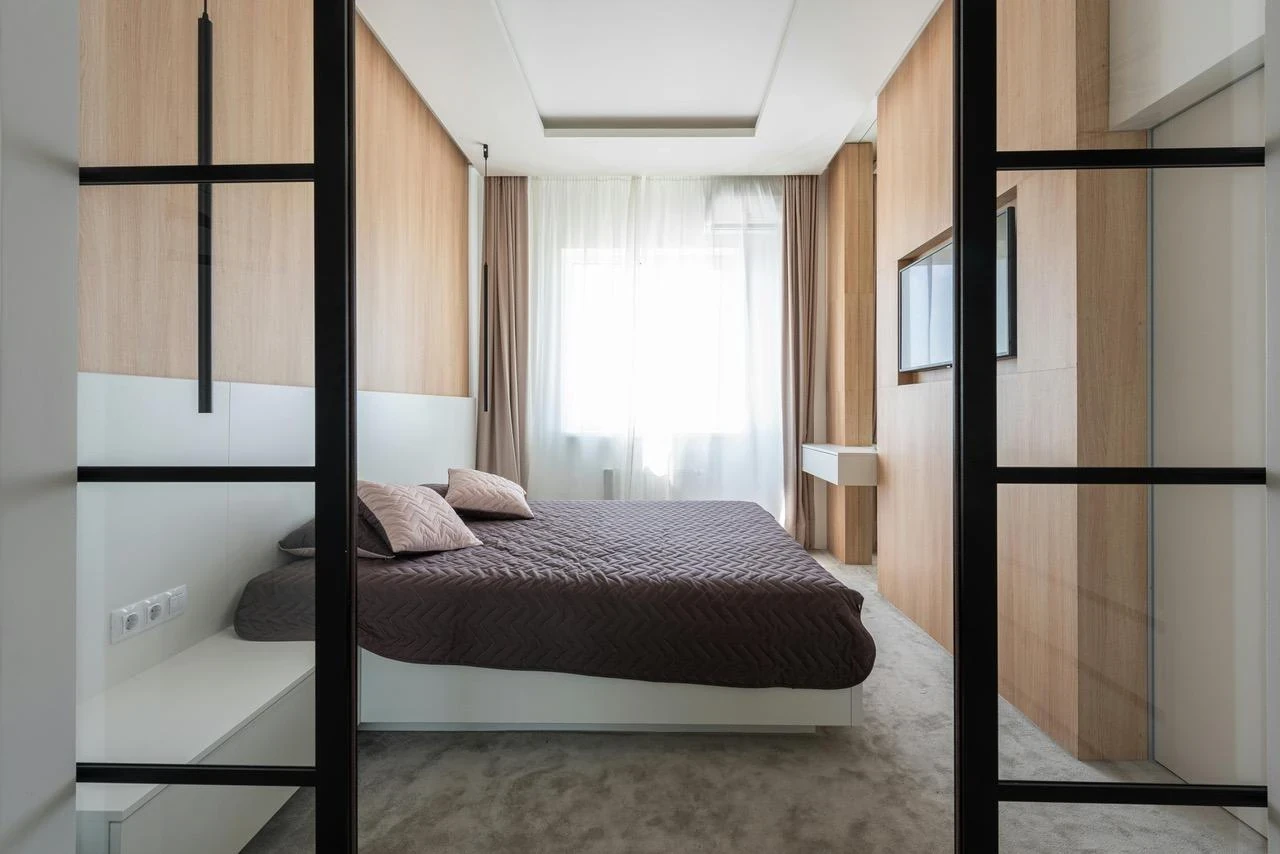
“Nothing left out of place” is the minimalist storage principle. Built-in cabinets, concealed storage, and multipurpose furniture keep belongings neatly tucked away, ensuring the space remains uncluttered and serene.
Photos: Pexels


