From thoughtful spaces to inventive craftsmanship, the DFA Awards 2026 honours five figures shaping the future of Asian design.
Designing a building, shaping a hotel brand and developing a new way to cut gemstones demand different skills. The DFA Awards 2026 brings these disciplines together, recognising five figures whose work shows how design can influence both everyday experiences and entire industries.
The Hong Kong Design Centre has named Yung Ho Chang, Sonia Cheng, Wallace Chan, Dong Gong and Tianyuan Li as this year’s recipients of five individual honours. Their achievements span architecture, hospitality, jewellery and automotive design, connecting international experience with distinct perspectives rooted in Asia.

Architecture takes a prominent place in this year’s line-up. Chang receives the DFA Lifetime Achievement Award, while Dong is named DFA Designer of the Year, recognising their respective contributions to the built environment.
Chang’s career has brought architectural practice and education into close conversation. After earning his master’s degree in architecture at the University of California, Berkeley, in 1984, he returned to China in the early 1990s and co-founded Atelier Feichang Jianzhu with Lijia Lu in 1993.


Alongside his practice, he has held influential academic roles, including head of the architecture department at the Massachusetts Institute of Technology. Now dean of the Faculty of Architecture and a chair professor at the University of Hong Kong, he has helped shape not only buildings, but also the thinking of successive generations of architects.
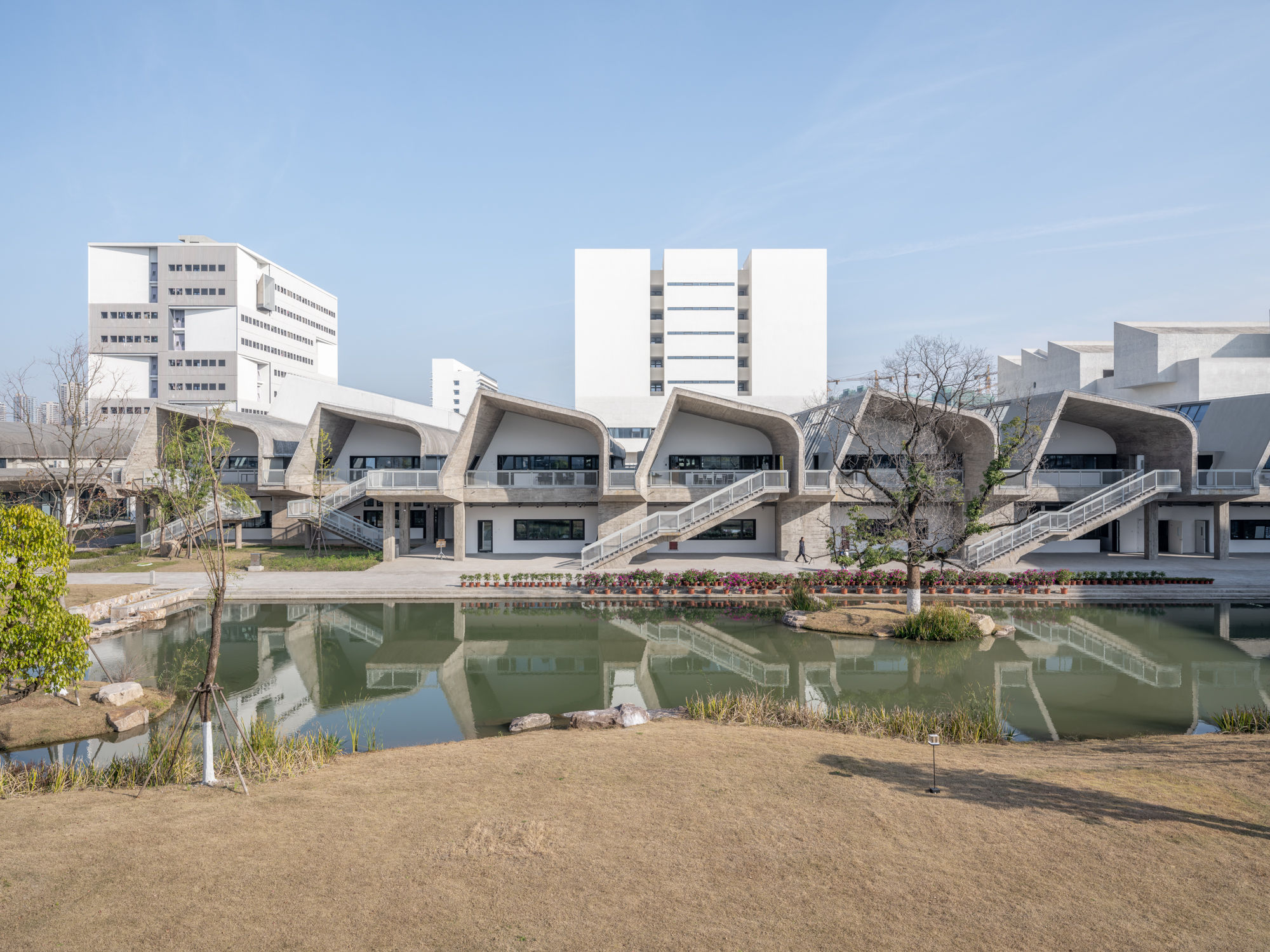
Dong’s work offers another perspective on architecture’s relationship with culture and place. Since founding Vector Architects in 2008, he has developed a practice distinguished by its sensitivity to setting and meticulous approach to materials and construction.

Projects including the Seashore Library, Seashore Chapel and Yangshuo Sugar House demonstrate an architectural language that is contemporary yet closely connected to its surroundings. Selected works by the practice have been featured at New York’s Museum of Modern Art and the Venice Biennale.

The relationship between place and experience also informs the work of Cheng, recipient of the DFA Design Leadership Award. Since taking the helm of Rosewood Hotel Group in 2011, she has helped develop it into a global luxury lifestyle brand, broadening its scope beyond traditional hospitality.

Her recognition highlights how design thinking can guide a business, rather than simply determine the appearance of its spaces. By integrating cultural relevance into experience-led platforms, she has made it a part of how the brand develops and connects with its guests.

Chan, named DFA World’s Outstanding Chinese Designer, approaches innovation through the possibilities of craftsmanship and materials. The Hong Kong-based artist began his career as a carving apprentice in 1973 and has spent more than five decades working across jewellery, carving and large-scale sculpture.

His innovations include the Wallace Cut, developed in 1987, clawless gemstone-setting techniques, advanced titanium craftsmanship and a proprietary porcelain material. Combining Chinese aesthetics with Western sculptural approaches, his work is held in the collections of the Victoria and Albert Museum and the British Museum in London.

Completing the line-up is Li, recipient of the DFA Asian Design Vanguard honour. Before joining Xiaomi in 2021 to establish its automotive design team, he worked at BMW’s German headquarters, leading the design of the BMW iX and BMW i Vision Circular concept car.

Now head of design at Xiaomi Auto, Li has overseen work including the SU7 series. His approach centres on the emotional relationship between people and vehicles, balancing practical utility with an interest in enduring, sustainable aesthetics rather than passing trends.

Established in 2003, the DFA Awards encompasses seven award programmes, with this announcement covering five individual honours. This year’s recipients illustrate how design can operate at different scales — from the precision of a gemstone setting to the experience of a building — while bringing craft, culture and technological innovation into dialogue.